
In This Article:
I’ve probably read hundreds of trading books over the years. The ones that stay with me are the books that gave me something useful to study, question, or compare with my own trading. Some of my favorites are not step-by-step swing trading manuals, so I’ll explain what I took from each one and who might find it useful.
How I chose these swing trading books
This is a personal list based on books I’ve read and returned to, not a formal ranking or a claim that these are the only books a swing trader needs. I included books that helped me think about stock selection, chart behavior, trading rules, or how different traders approach the market.
Some are useful for developing a swing trading process. Others are more valuable for their stories and lessons about market behavior. I’ll point out the difference so you can choose based on what you want to learn.
| Book | What I find useful | Good fit if you want to learn about |
|---|---|---|
| How to Make Money in Stocks | A structured approach to growth stocks, charts, and market direction | Stock selection and market context |
| Reminiscences of a Stock Operator | A memorable story about speculation and trader behavior | Market psychology and history |
| How to Trade in Stocks | Jesse Livermore’s ideas about trading and speculation | Rules and trend-focused thinking |
| How I Made $2,000,000 in the Stock Market | Nicolas Darvas’s account of developing his method | Breakouts and the Darvas box approach |
| Market Wizards | Interviews with traders who use different approaches | Comparing trading styles and risk practices |
My five personal picks
1. How to Make Money in Stocks by William J. O’Neil
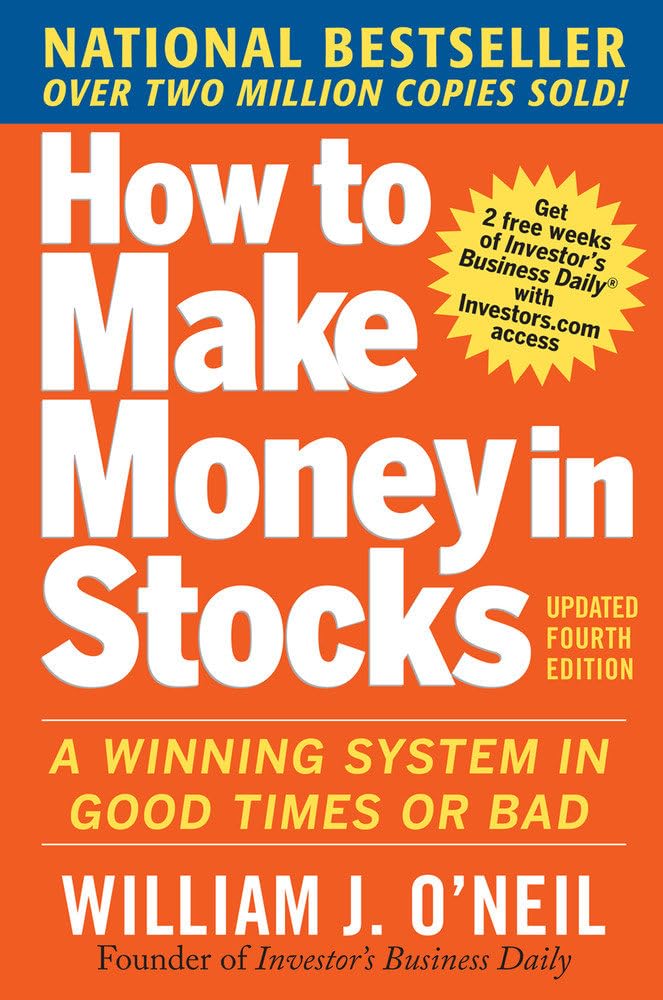
This is one of the most useful books I’ve read on combining company fundamentals with chart analysis. O’Neil explains the CAN SLIM approach, along with the importance of market direction and studying the characteristics of past market leaders.
I like the historical chart examples because they give you something concrete to study. You can look at how selected stocks behaved before major moves and compare those charts with current stocks. That doesn’t mean the same patterns will repeat or that a past leader could have been identified with certainty in real time.
For swing traders, I see this as a strong framework for thinking about which stocks to watch and what to examine on a chart. It is not a guaranteed trading system, and reading it does not remove the need to define your own entries, exits, and risk.
2. Reminiscences of a Stock Operator by Edwin Lefèvre
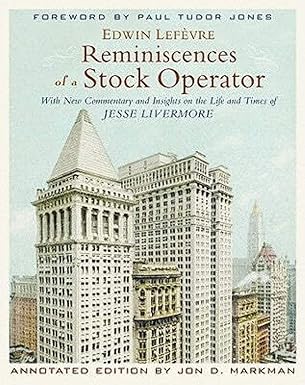
This is a fictionalized account inspired by the life of trader Jesse Livermore. It’s one of my favorite trading books, although it reads more like a story than a practical swing trading guide. I find its observations about patience, speculation, and the emotional side of trading memorable.
The book comes from a different era of the market, so I wouldn’t copy its trading approach step by step. I read it for its historical perspective and for the way it describes the decisions and mistakes traders can make. Wiley’s annotated edition adds context about the people and events behind the story.
3. How to Trade in Stocks by Jesse Livermore
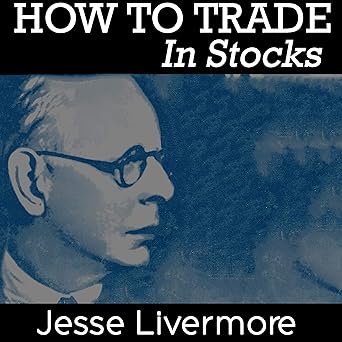
This is another book about Jesse Livermore, but it focuses more directly on his ideas about trading and speculation. It’s shorter and more direct than Reminiscences of a Stock Operator, and I find it interesting to compare the ideas here with the story in the earlier book.
Livermore writes about trends, market behavior, and the importance of having rules. These ideas can give a swing trader useful questions to consider, but the examples and market structure reflect a much earlier period. I’d use it as a historical perspective, not as a modern trading plan to copy without testing.
4. How I Made $2,000,000 in the Stock Market by Nicolas Darvas

This is the trading book I’ve read the most times. I find it fun and easy to keep reading, but it also gives a detailed account of how Darvas developed his approach to the market, including the box method for tracking price ranges and breakouts.
For a swing trader, the book is interesting as an example of how one person built and adjusted a trading method. The title reflects Darvas’s account of his results. It is not a return expectation, and it doesn’t show that another trader will get the same outcome from the method.
5. Market Wizards by Jack D. Schwager
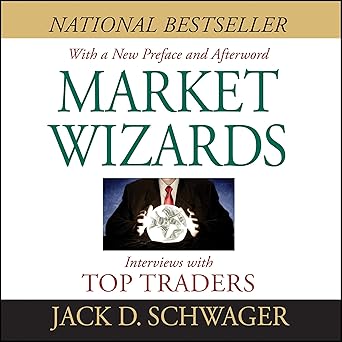
The original Market Wizards is one of my favorite books because it lets traders explain their own methods and experiences. The interviews show that successful traders can have very different approaches, rather than one strategy that everyone follows.
I find the stories and the traders’ thought processes valuable, but I don’t treat an interview as proof that copying someone else’s rules will work for me. The most useful part is comparing how they prepare, manage risk, and develop a method that fits them.
The series has continued since the original book. Market Wizards: The Next Generation, by Jack D. Schwager and George F. Coyle, was published in 2026. I haven’t included it among my personal five picks here, but readers who enjoy the interview format may want to look into it.
Books focused specifically on swing trading
My five favorites above include market histories, interviews, and broader trading books. If you want a book written specifically around swing trading, these two have a more direct focus:
- How to Swing Trade by Brian Pezim – a beginner-oriented guide covering swing trading tools, money management, rules, routines, and strategies. The book description also lists Andrew Aziz as the writer of the preface. I’m including it here because its stated scope is directly about swing trading; it isn’t one of my five personal favorites above.
- The Master Swing Trader by Alan S. Farley – a more technical book focused on short-term trading opportunities, chart patterns, and swing trading concepts. It may suit readers looking for a deeper chart-based manual.
These titles are more specifically focused on swing trading than several of my personal picks. Check the edition and contents before buying, since the best fit depends on your experience and the style of trading you want to learn.
Other trading and investing books I recommend
Here are a few other titles I’ve found interesting. Some focus more on investing, trading psychology, or the story behind a trading method than on swing trading itself.
- Stan Weinstein’s Secrets for Profiting in Bull and Bear Markets — market stages and chart analysis.
- The Zen Trader by Peter Castle — trading mindset and discipline.
- The Trading Game by Gary Stevenson — a personal story about working in finance.
- The Complete TurtleTrader by Michael W. Covel — the story of the Turtle trading experiment.
- Trading in the Zone by Mark Douglas — trading psychology.
- One Up on Wall Street by Peter Lynch — individual stock investing.
Books on psychology can help you reflect on discipline and decision-making, but they can’t make an untested strategy profitable. I think it’s useful to pair reading with chart study, trade records, and an honest review of both winning and losing trades.
Which swing trading book should I start with?
If you want a framework for evaluating growth stocks, I’d start with O’Neil’s How to Make Money in Stocks. If you prefer a story about market behavior, start with Reminiscences of a Stock Operator. If you want a book explicitly focused on swing trading tools and routines, look at How to Swing Trade and check whether its approach fits what you want to learn.
Can you learn swing trading from books?
Books can explain ideas and give you examples to study, but reading alone won’t show whether a strategy fits you or how you’ll handle real trades. I’d combine reading with chart study, a written plan, and a journal that includes both winning and losing trades.
Final thoughts
These are books that influenced how I think about markets and trading. Some are more directly useful for swing trading than others, but all have given me ideas worth examining. Read them critically, study charts for yourself, and keep track of how your own decisions work out.
You can find more of my swing trading articles on the site or follow me on X, where I share charts and trading thoughts.